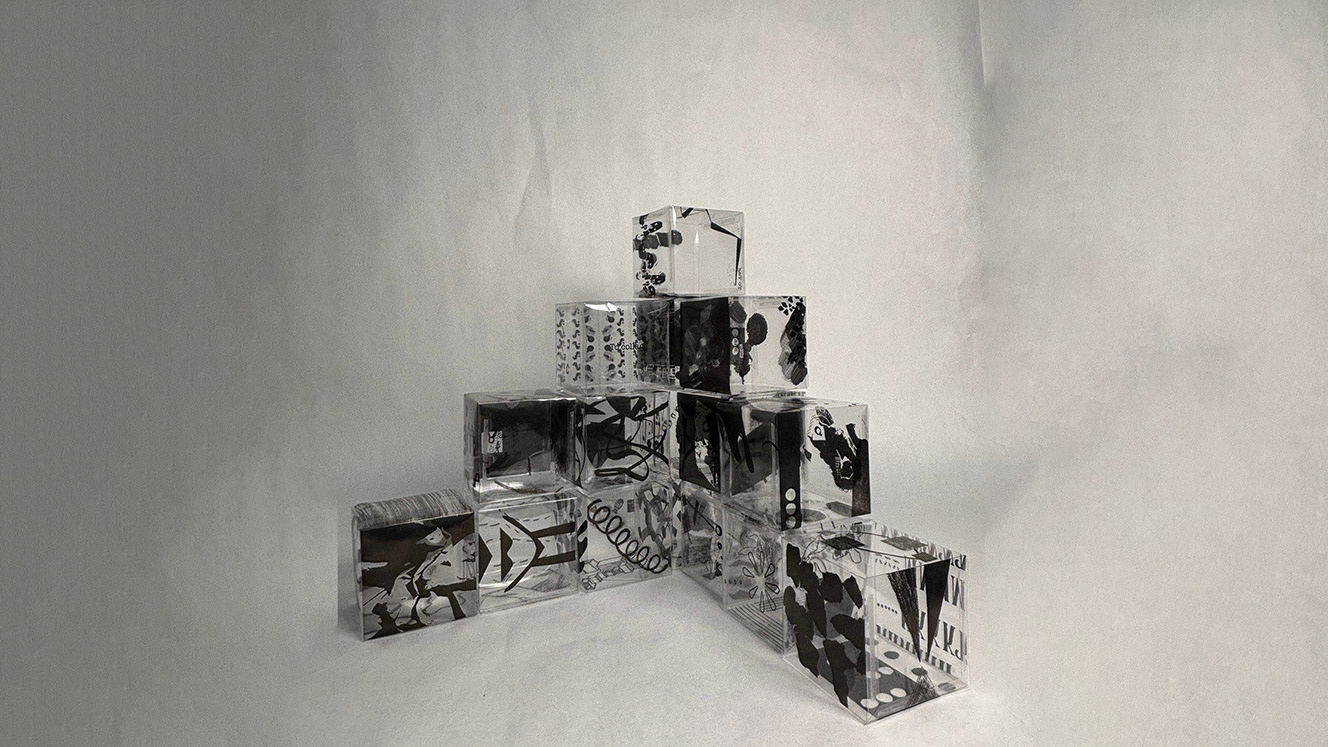

RISD Interior Architecture Master Program, Sustainability Lab 2026 Thesis Project.
Thesis Book Link
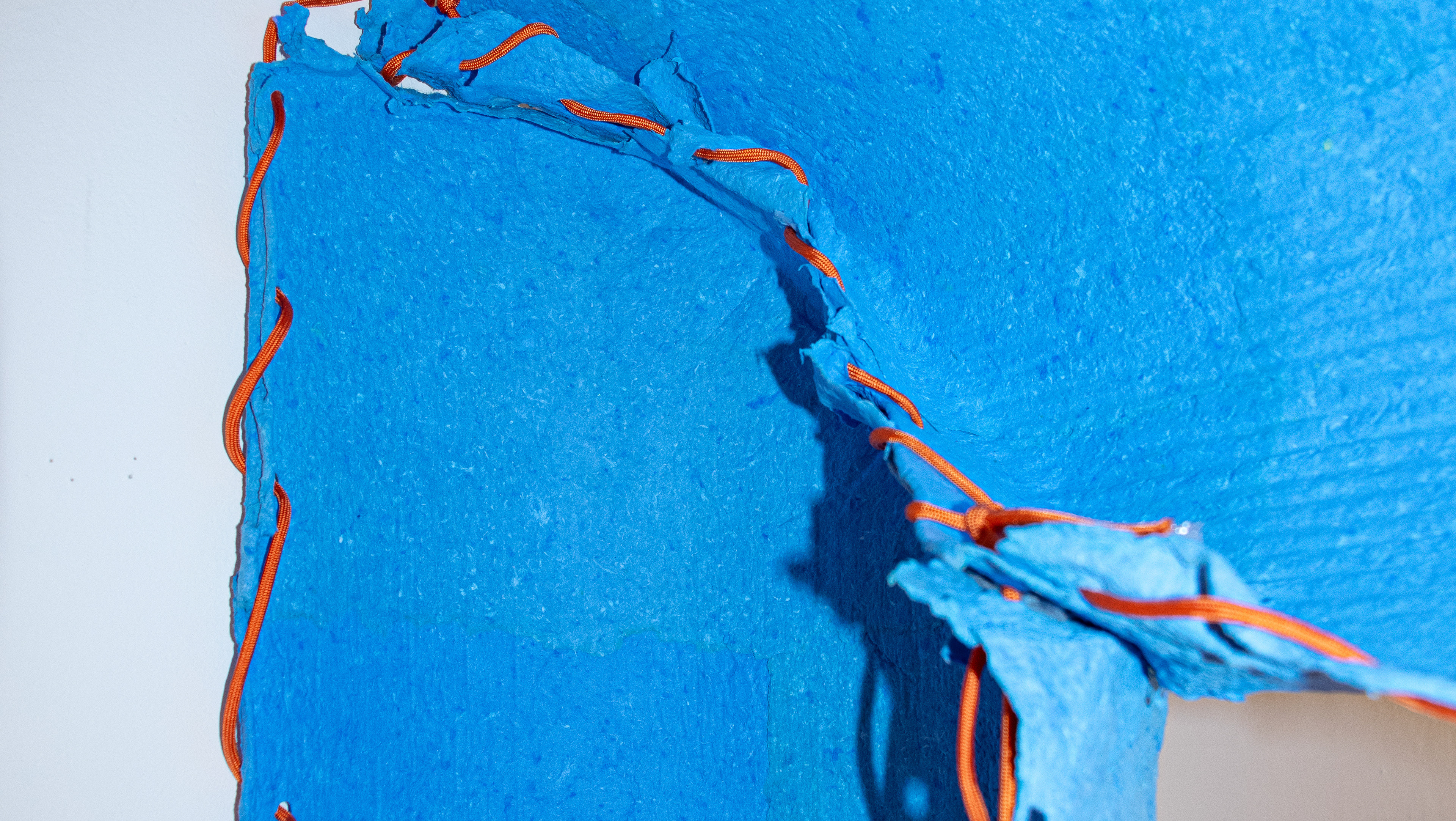
haptic installation made with wasted fiber, urban fallen leaves on benefit st, providence, ri
9' x 7' x 2' (H x W x D)
leaf-litter, tannin water, cotton, copper beads
Thesis Book Link
haptic installation made with wasted fiber, urban fallen leaves on benefit st, providence, ri
9' x 7' x 2' (H x W x D)
leaf-litter, tannin water, cotton, copper beads
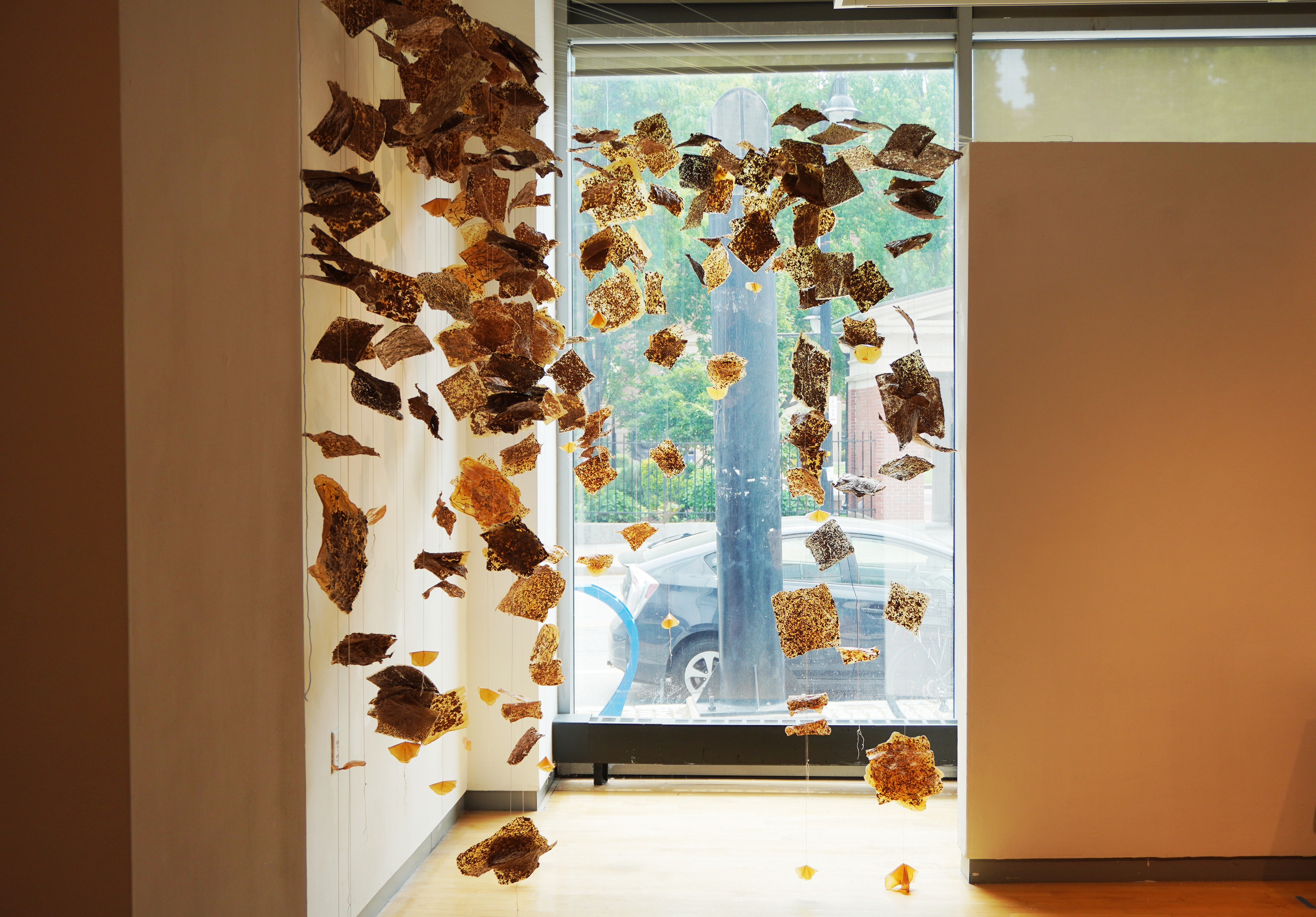
The fallen leaf is a material figure of what has made us and holds us still, beyond our sight, forgotten. In urban environments, fallen leaves are managed as seasonal waste, collected and quickly separated from everyday encounter. Yet within ecological systems, they continue to participate in cycles of regeneration, becoming the soil that sustains new life. This quiet continuation is unusually unavailable to the eye, yet known by the body.
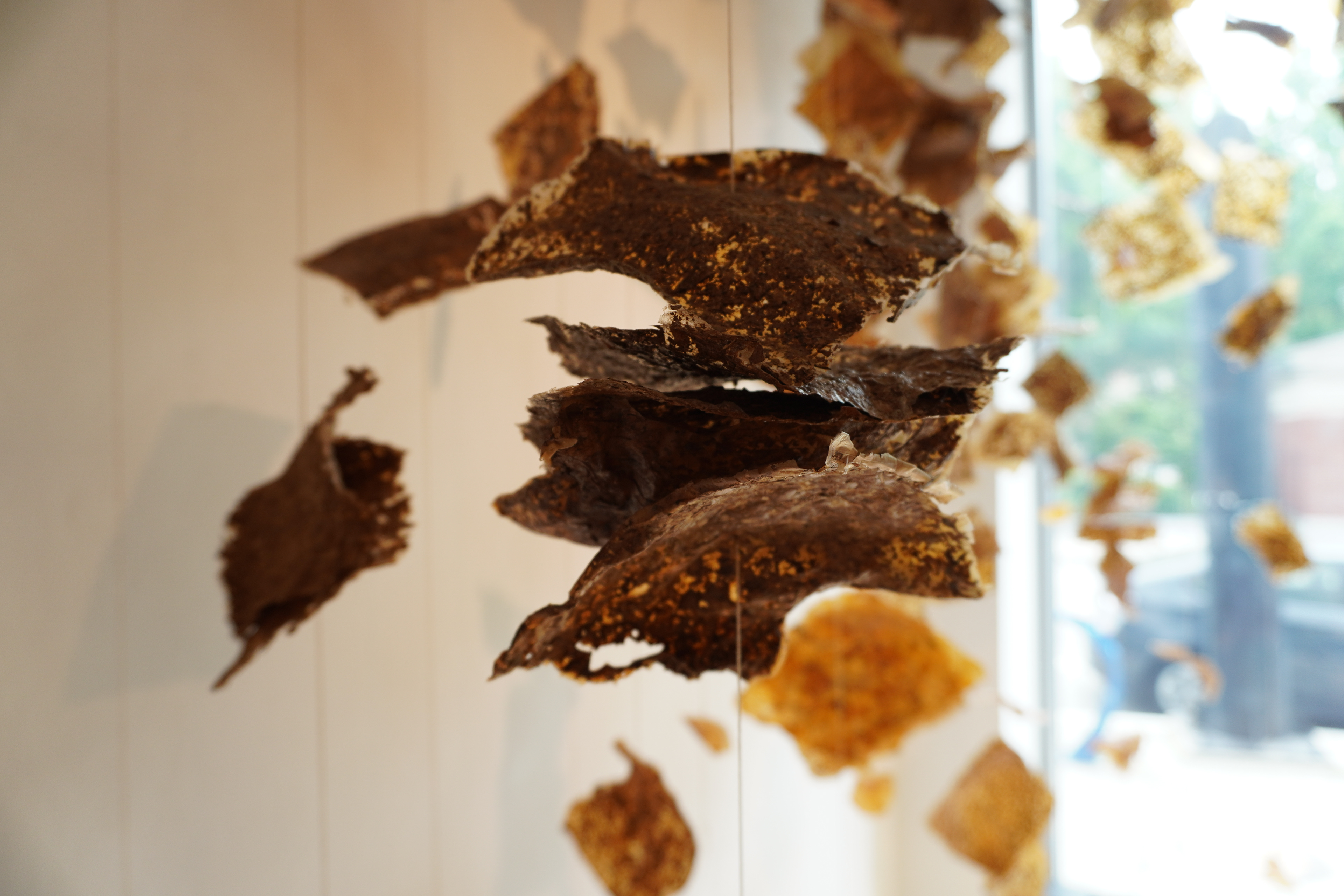
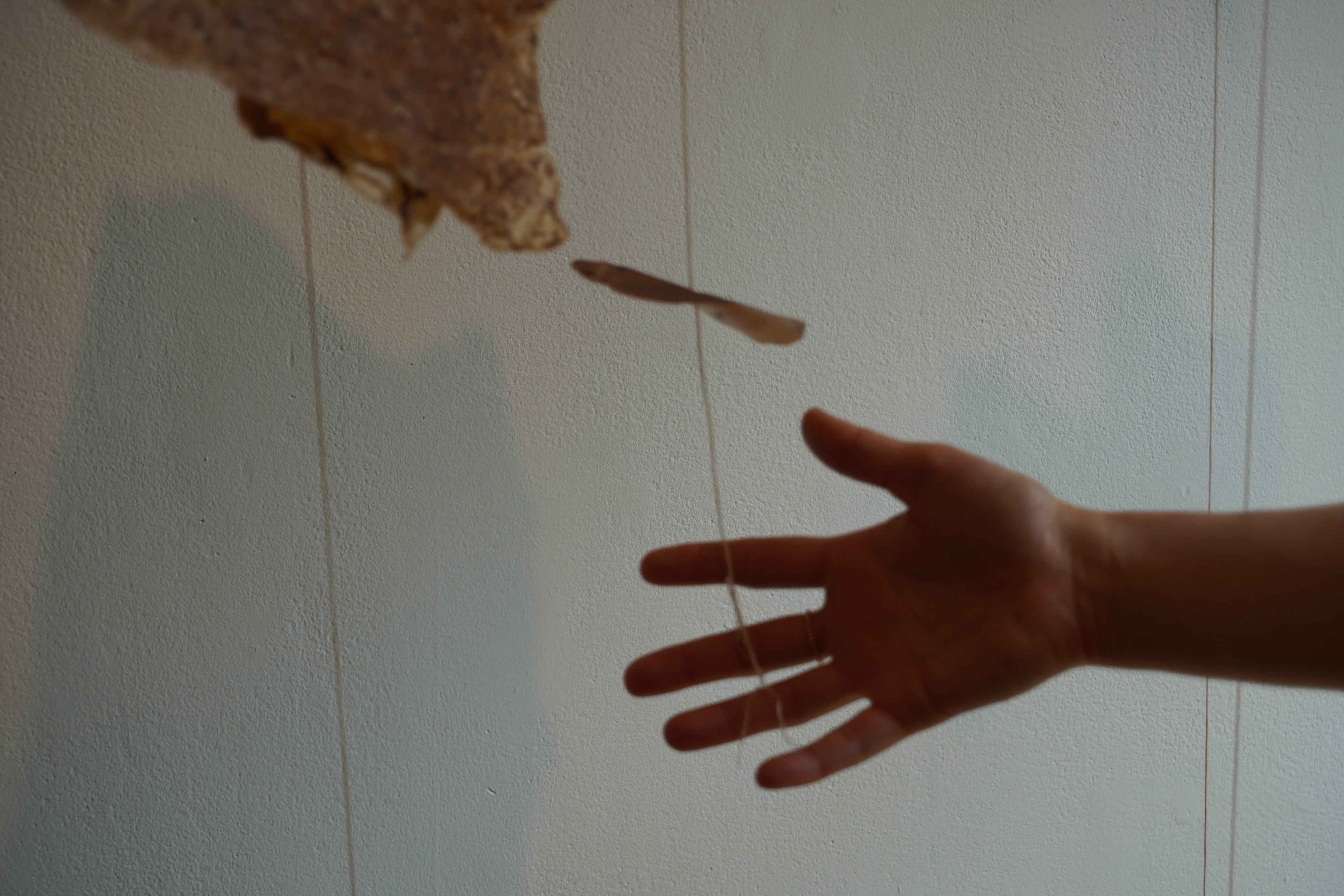
What memory cannot hold, what the mind does not notice, the body sometimes can.
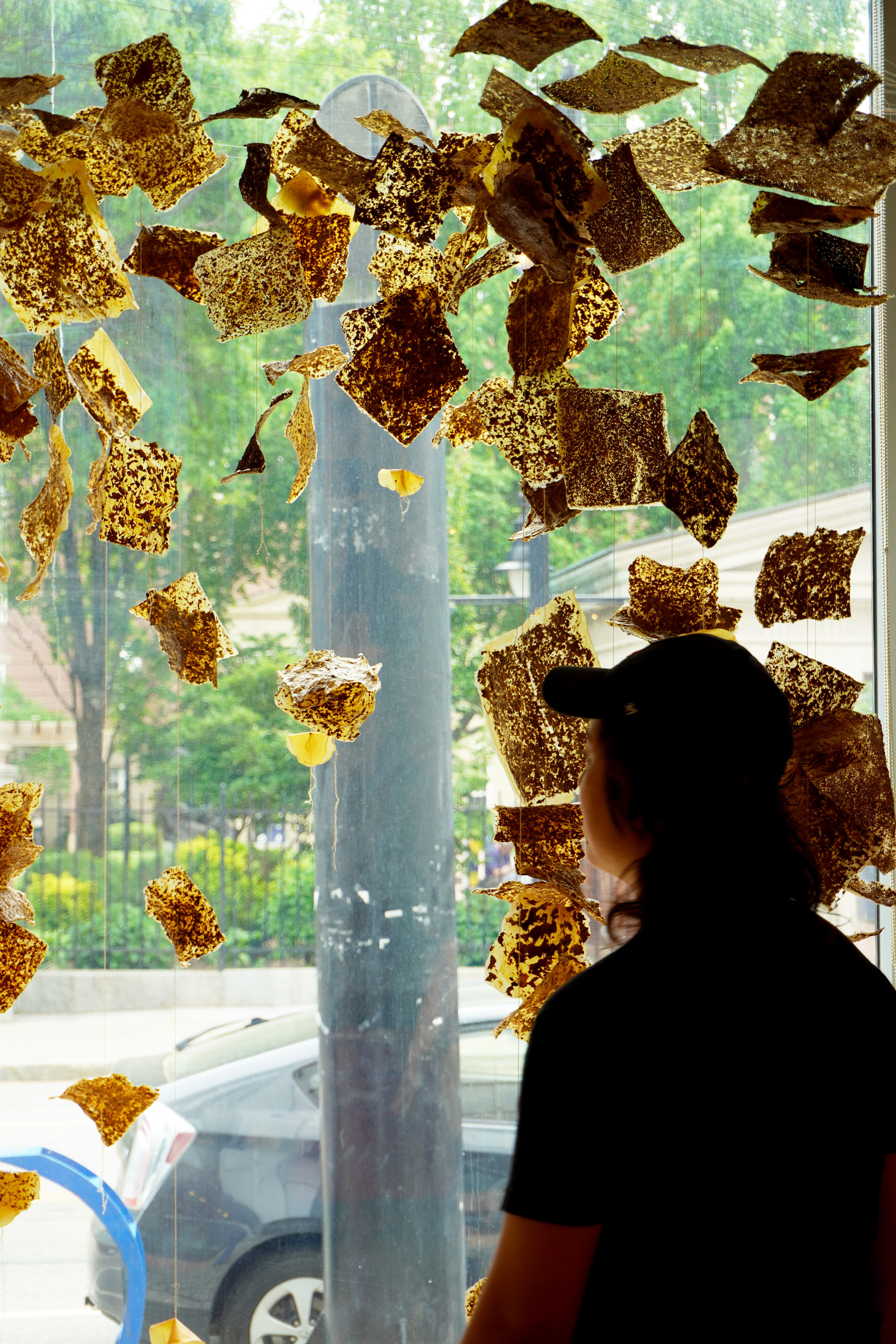
Within Fallen Leaves, leaf-litter is not cleared but here, a place where the body can follow the leaf's slow undoing into ground and remember what the mind has not held. The leaf's transformation is felt not by the mind first but by the hand, in the curling fiber, wearing out, the deepening brown, the scent of slow composting. Through these encounters, an embodied knowing of time emerges: one in which ending and continuation are not opposites but phases of one motion. What we call litter, ending, or absence is presence taking another form.
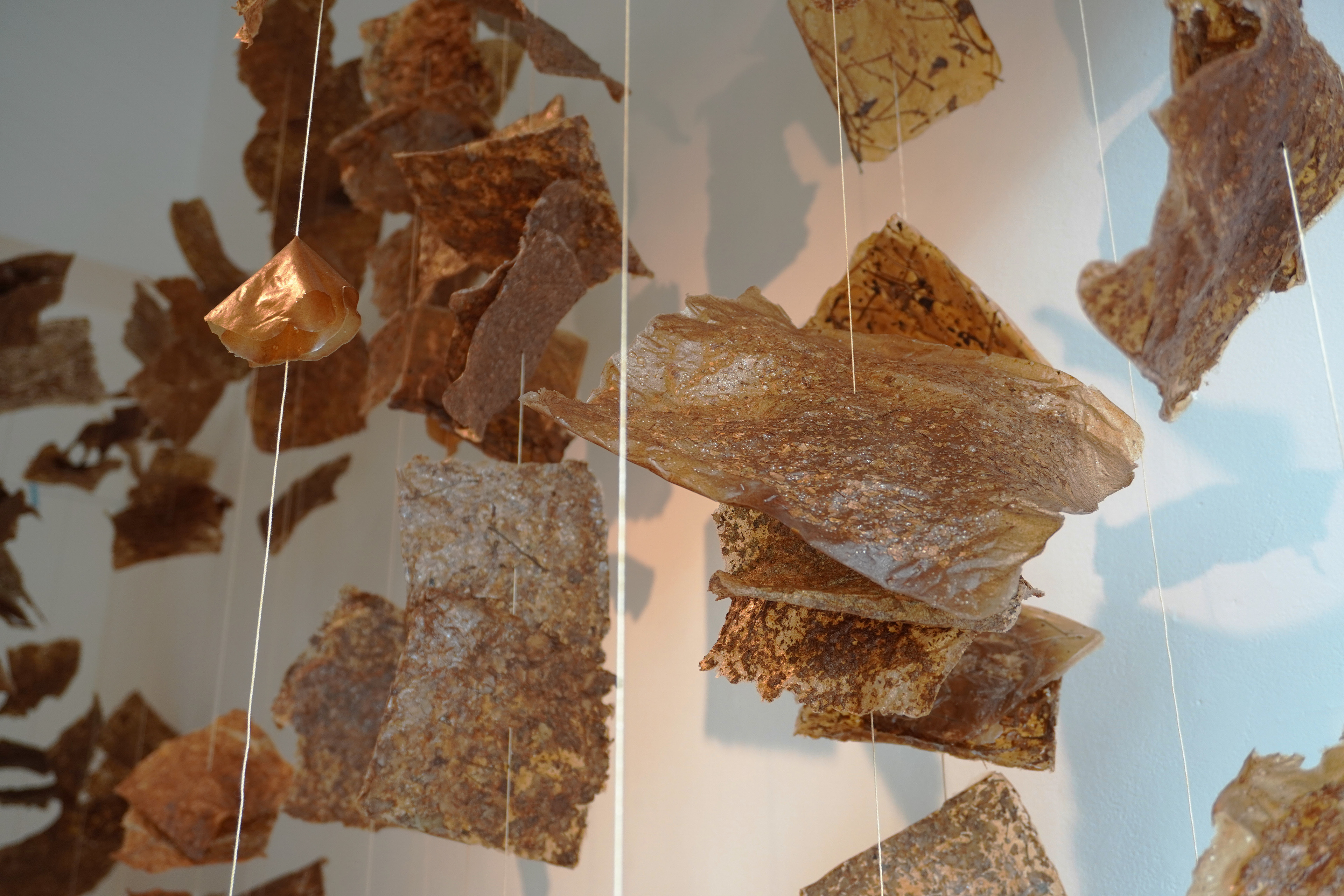
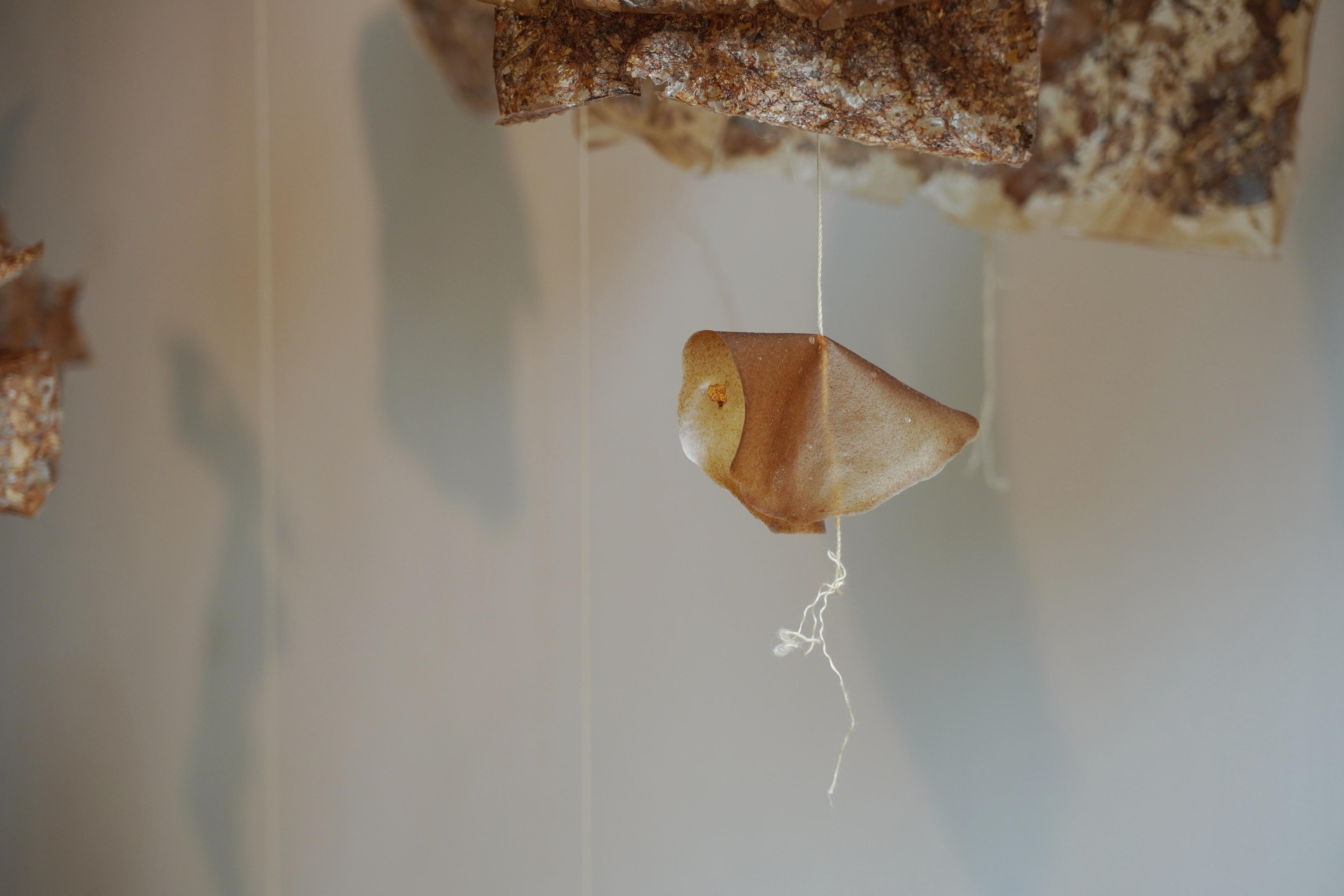
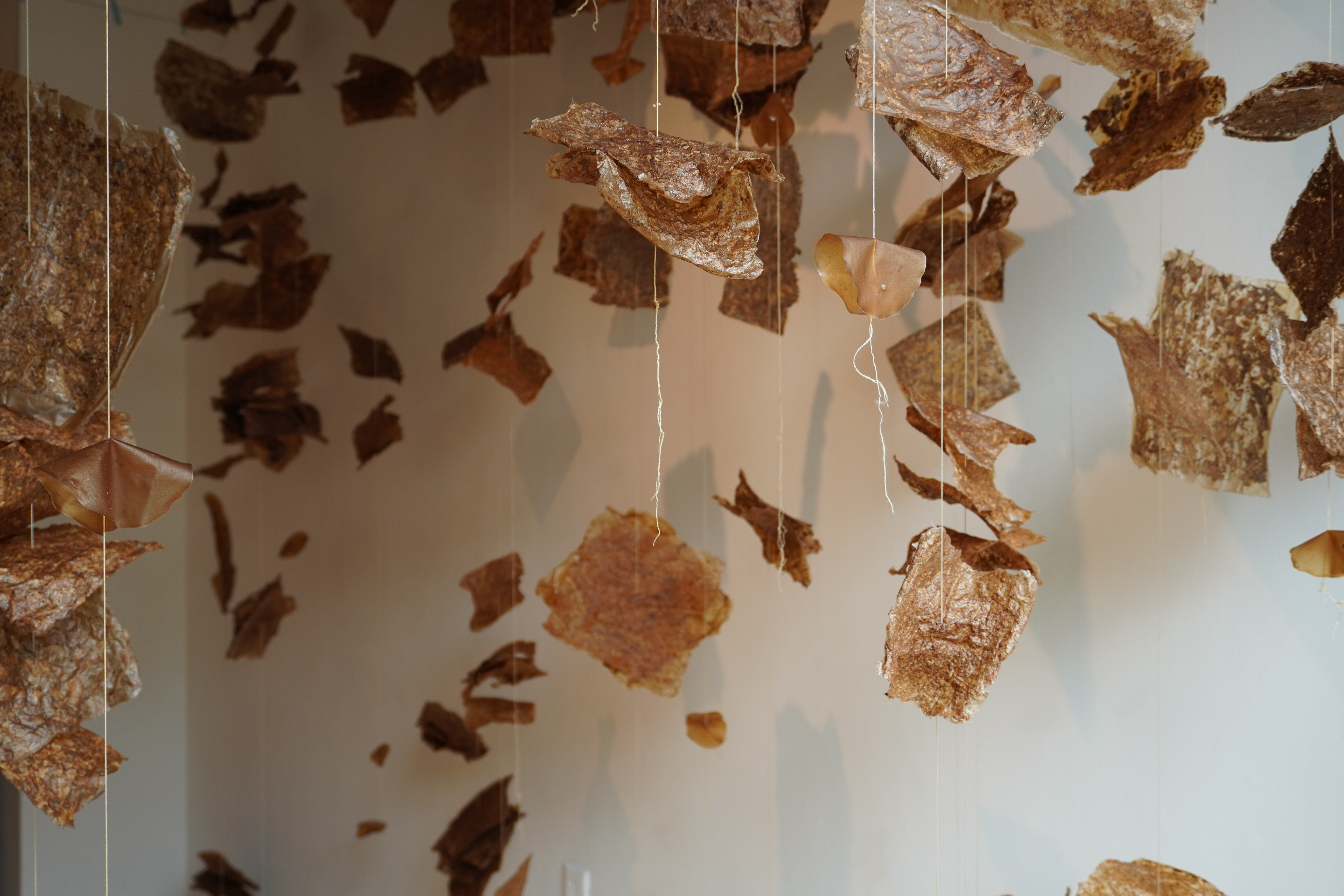
The proof of every presence that has made, and continues to hold, the presence we are now, is here as fallen leaves and you.
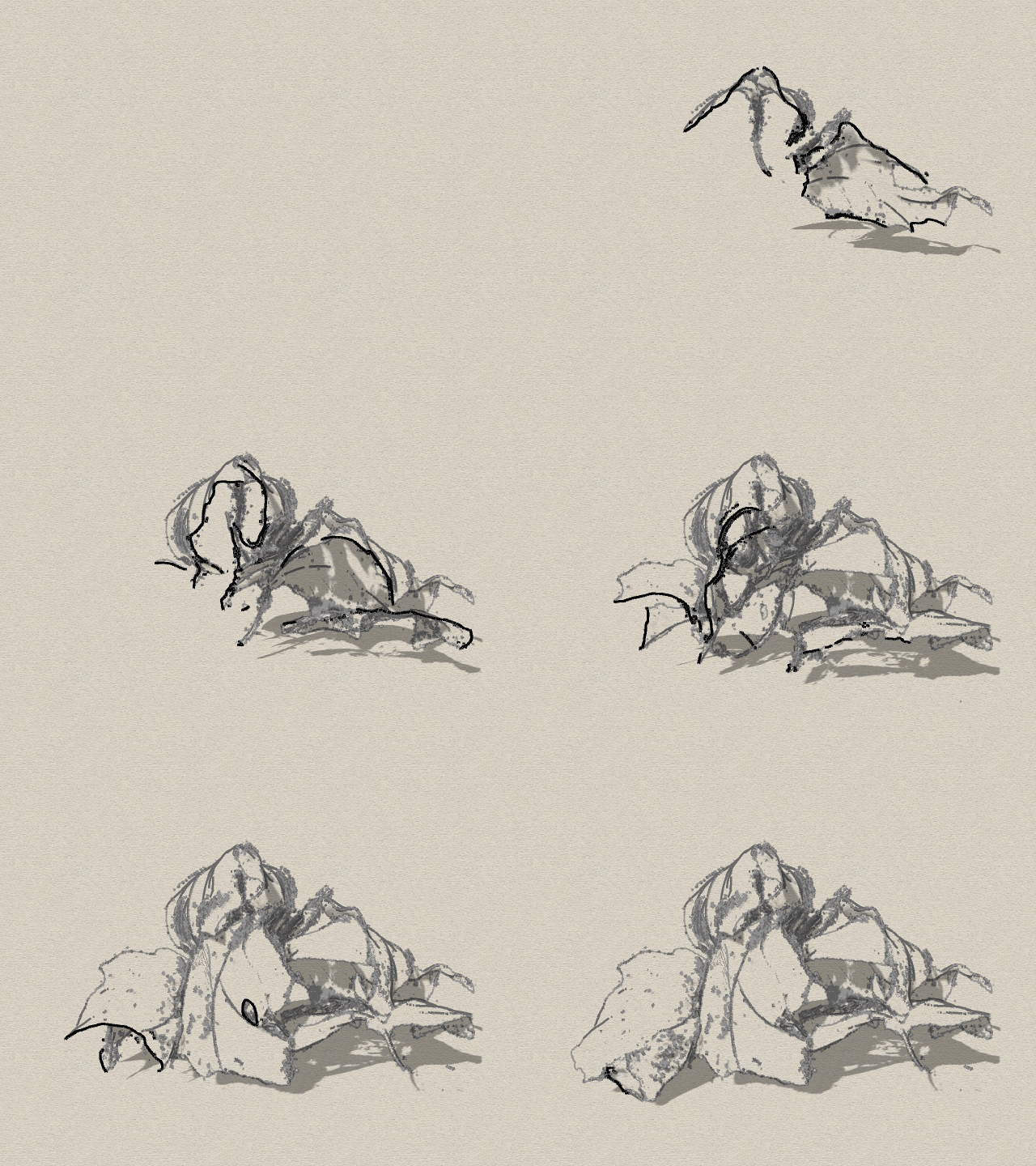
3D Scanned Leaf Pile, Negative Space Study